Since December I have been mulling over the idea of writing about burnout, because over the past two years I have dealt with this topic almost daily – burning myself out and recovering from it, supporting several dear people as a friend and coach, and helping a team that consciously put the topic on the table. In recent months this phenomenon has been conquering my world with ever greater force – I keep hearing from clients and acquaintances about new cases of burnout, and it seems that in our ever faster society this snowball is growing into an avalanche. And, ironically, I have had too much to do to take time out to write about it.
While dealing with burnout on a very personal level, I have at the same time been thinking about topics related to our Mother Earth – how we consume more than the earth can recover, and how we are moving towards global burnout. I have felt powerless, because even fairly widespread cries of “Help!” and calls of “Stop!” don’t seem to be enough in these processes.
What makes burnout as a phenomenon insidious is that the person burning out often doesn’t understand what is happening to them until they have hit rock bottom. It is good if they have close people who notice, dare and know how to say: “Stop!”, because burnout happens precisely because people don’t know how to say “No!”.
It seems to me that we as humanity have also been globally blinded by our big goals and need to achieve, and stopping has seemed impossible. It sounds terrible, but in my heart I am sincerely grateful to the coronavirus, which came and said “Stop!!!” at a global level in a way that can no longer be ignored. We need to stop, to find a connection with ourselves and with nature again, and this virus helps us do that.
What is burnout?
“I felt I had no gravity,” is how my former colleague and good friend and companion on the path of personal development, Sirli Kalep (a public relations and communication lead), describes the experience; I talked with her about the topic to bring an additional perspective to this story. Based on my personal experience and my work with clients, I feel that burnout is when you lose contact with your deeper self and with your mission – why you are in this world.
At the same time, you may feel you are acting for a noble cause. Burnout is very common in so-called world-improving endeavours, including the non-profit sector, and it happens precisely to people who do their work with great heart and are demanding of themselves. But the world doesn’t need us to do good by destroying ourselves. One’s own wellbeing and creating value should support each other. The simple rule repeated to us at the start of every flight applies here: “First put the oxygen mask on yourself, and only then help others.” By forgetting ourselves, we don’t only risk our own lives – others suffer too.
The attached information sheet (in Estonian) helps understand burnout in more detail.
Recovery takes time
When you burn yourself out, there is no quick way out. Healing takes time. Once again I see a parallel with our planet – recovering from forest fires in Australia, or from clear-cutting, pollution and mining in any region, takes decades, if not centuries. At the level of the individual, too, recovery can take months, years or decades, and some of us never regain our former vitality and capacity for work. So burnout is not only the problem of the person who has burned out, but also of their loved ones, colleagues and society as a whole.
Here I share Sirli’s advice: “Prevent burnout! Afterwards, recovery takes a lot of time and money. I have been lucky to have good close friends who have supported me, and I have also had a lot of help from therapy and yoga. I have had the privilege of taking time out and allowing myself this, but not everyone has that luxury. I don’t know how they cope, because we don’t have good social support mechanisms for it.”
Three steps to recovering from burnout
“I learned to breathe, eat and sleep again,” Sirli shares her experience. And she is by no means the only one who experiences something similar. Burnout is a severe state of physical, mental and emotional exhaustion that makes us aware of the body’s basic needs, because they have gone unmet for a long time.
Helpguide.org, on its page about burnout, sets out the three Rs model of recovering from burnout: Recognize, Reverse, Resilience.
The 3 Rs of recovering from burnout:
Recognise! – Notice and understand what is happening to you. The sooner you do it, the faster you recover.
Reverse! – Stop the activities or step out of the situations that led you to burnout.
Build resilience! – Do things that support your wellbeing physically, emotionally and mentally: move a lot, spend time in the fresh air, spend time with people with whom you can be truly yourself, take up an old hobby again or start a new one, meditate.
The coronavirus has helped us apply the same three Rs globally:
Recognise! – Our attention is on basic topics – we are more aware than ever of our mental, emotional and physical wellbeing. The wider question is whether we can also make connections from here with nature, humanity and the planet as a whole.
Reverse! – The hamster wheel has stopped in most areas of life, and we are at home with our loved ones. We are forced to step out of our daily routine. In addition to this “forced” stop, it is also worth consciously stopping the flow of information that keeps us in the hamster wheel. As Sirli described: “I removed all the reminders from my phone and deleted my Instagram account and several other apps.” This doesn’t mean giving up information completely, but making a conscious choice: what I want to consume and when.
Build resilience! – We are more aware than ever of everything that supports our immunity. Today I went to the forest with my child, as I do every weekend. And I have never met so many people in my home forest – the forest was teeming with people, despite the bleak wind and weather colder than this winter’s average. And people were happy! I haven’t seen so many nature photos on Facebook in a long time – it seems all my friends made it to the forest today. I also notice that we talk more with our loved ones – we call and ask how they are, how their health is. We are friendlier with strangers. I also went to top up my food supplies and, just in case, chose some tinned food for home that isn’t part of my usual shopping list. It was fun to deliberate with complete strangers in front of an almost empty counter about what was worth buying from the available selection. The decisive criterion became what would also get eaten at the summer cottage.
Burnout as a spiritual journey
“Therapy should be compulsory for everyone!” says Sirli. “We all need someone you can really talk to about what is going on inside you and who helps you understand yourself on a new level,” she continues.
Burnout comes to wake us up! It cuts off the possibility of carrying on in the old way, but doesn’t (immediately) give an answer about how to move on. This can be very frightening, because the familiar old way of living, which was exhausting but so familiar, simply no longer works, and you haven’t the faintest idea what a new way could be. It is as if you have been born again and are helpless as a baby. You look at the world with completely new eyes, start taking your first steps and learn to know yourself and your surroundings.
It is a warrior’s journey – you either go through it and become stronger than ever before, or you perish, literally or figuratively. Sirli: “My therapist asked me to imagine three solutions: carry on as today, make a small change, or step off this wheel completely. When I felt the impact of these choices in my body, I got a very clear answer: the only way to get back to myself is to step out completely.”
The sooner you consciously choose and surrender to this journey, the sooner the experience of burnout can become a journey of personal development through which to grow inwardly. Surrendering doesn’t mean giving up, but on the contrary, trusting that this is your path and that you are supported on it, come what may. When this trust arises, miracles start to happen.
The spiritual journey of burnout can be made sense of in many different ways. You can do it on your own, listening to yourself and seeking help from books and the internet, or by using the help of various supporters, from a coach and psychologist to a priest, yoga guru or shaman, depending on your choice… conscious or unconscious. I believe that if you are open, the right helper will come your way. As the saying goes: “The teacher appears when the student is ready.”
Thinking of my own journey, I am very grateful for my process work training, which for me combines psychology and shamanism and taught me, among other things, to dream consciously, i.e. to view my life in parallel both as the “real life” in which I go about my days and as a dream that can be interpreted through metaphors and symbols.
That is also why this story, which had been ripening inside me for three months, has come to light right now. I recently had a strange dream in which I was at some kind of training, and at one point the teacher sat down next to me and did something with my right ear. I felt a slight prick, as if my ear had been pierced. The next moment I felt a burning sensation in my ear and realised that a real fire was burning inside it. I quickly put my finger in my ear to smother the fire.
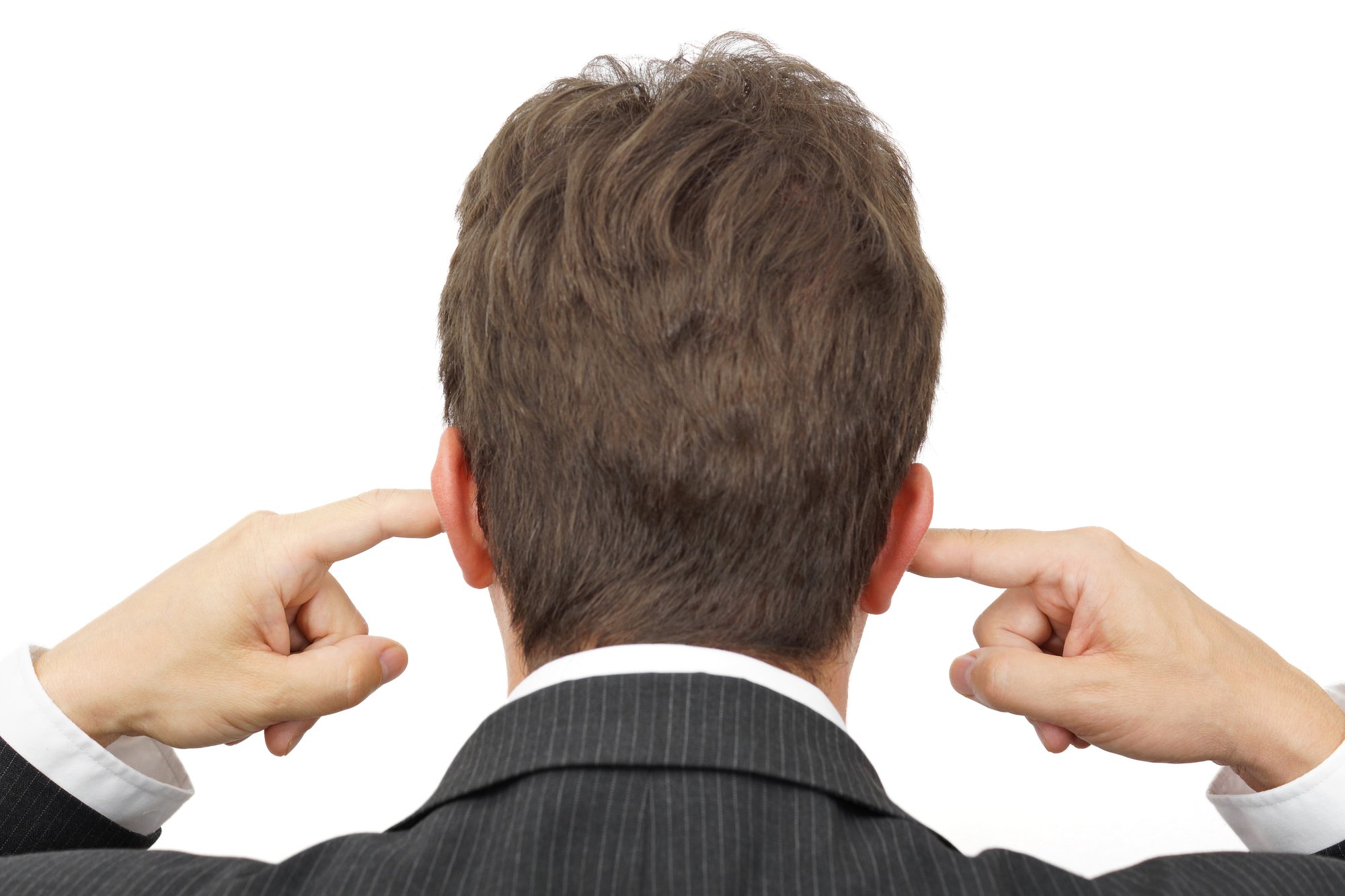
That is how I have also been behaving with the fiery stream of news coming from all kinds of information channels – I put my fingers in my ears, close my eyes and choose carefully what information I take in, so as to stay in a positive reality.
On the other hand, the wisdom of process work says that in what disturbs you most (based on your subjective experience) there is something you should integrate into yourself.
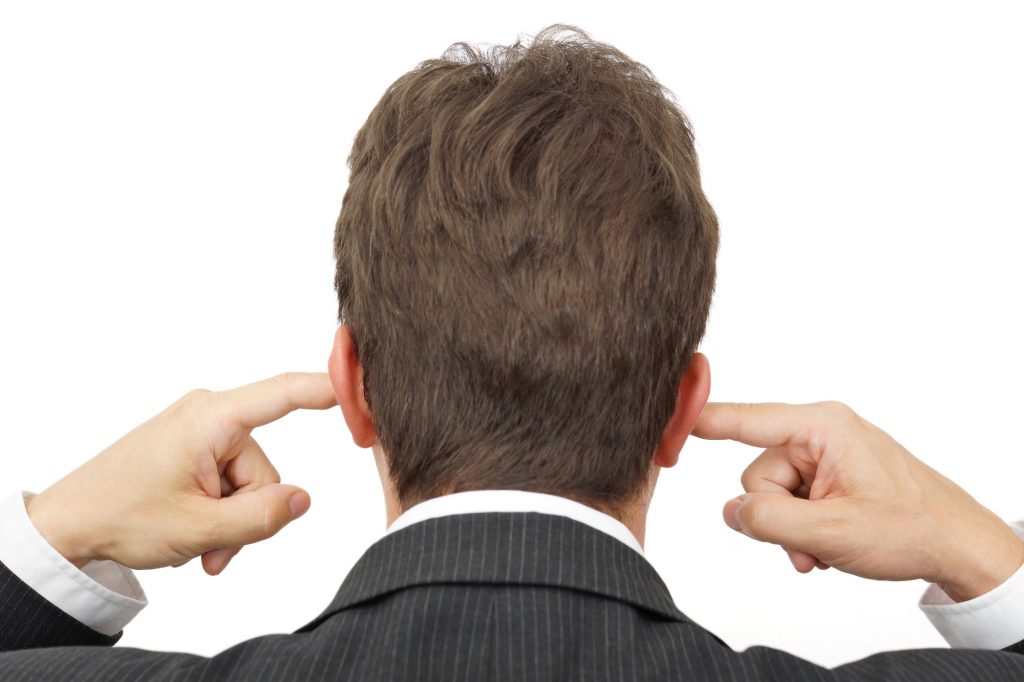
In this case, what disturbed me most was the “fire” in my ear. In process work, the next step is to imagine that you are what causes the symptom, in this case the “cause of the fire”. It is always hard to step into this role that contrasts with our usual identity, and sometimes it is even impossible to do on your own. But I gathered my courage and, in my mind’s eye, stepped into the role of the cause of the fire in my current reality, i.e. the coronavirus. I looked at the world through the virus’s eyes and understood: I need to deal with this topic, which moves me deeply, more broadly and help more people say “Stop!” before it is too late. Interestingly, a work opportunity for this also arose right away.
I believe that for most of humanity the coronavirus is very much “not me”, i.e. from the point of view of process work, something of which it is useful to integrate a “homeopathic dose” into yourself. If you imagine for a moment that you are the coronavirus and look at the world through its eyes, what do you see? How could you be a little like it? It is important here to completely forget the negative impact of the “cause of the symptom”, to drop all judgements about it and simply imagine that you are it, and look and experience: what does the world look and feel like then? What message does this experience give you?
Burnout can be viewed in the same way, as a symptom, and its cause as what causes the symptom, waiting to be integrated into our current identity so as to broaden it and thereby make us more flexible, resilient and successful.