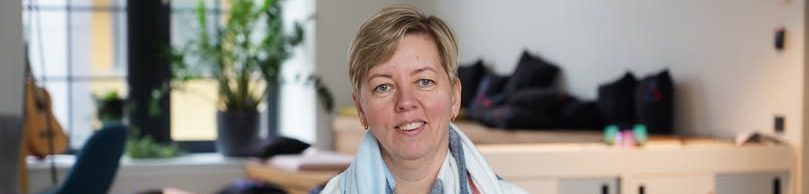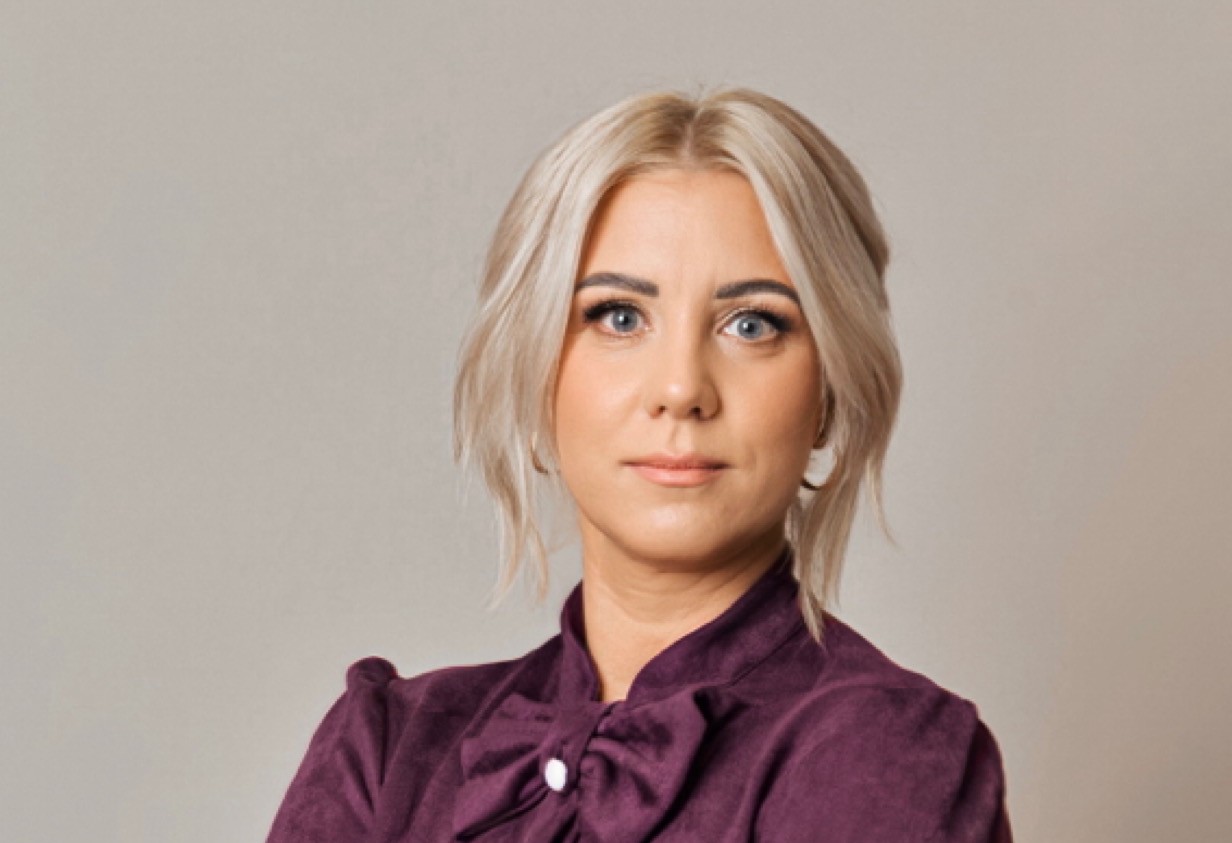
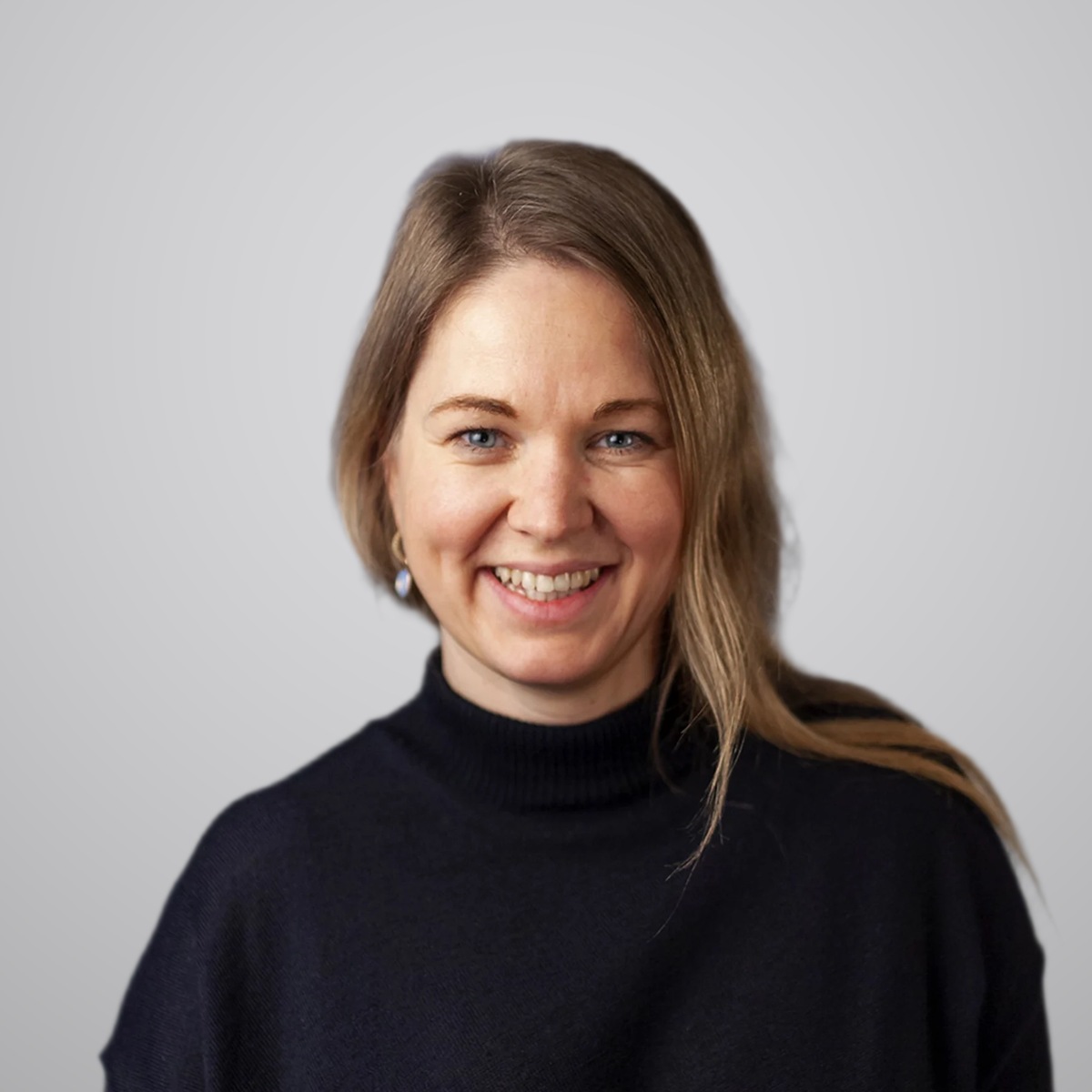
Riina Roosipuu, CEO of Eesti Loto, has written down the steps that turned a half-century-old organisation with a traditional management model into a modern organisation managed by products. Sunergos consultant Monika Prits helped with advice and support.
Photo: Postimees
Over the last six years, Eesti Loto has launched a completely new product category (instant e-lottery), expanded its product range and significantly grown its number of employees. Against this background, we have also been replacing, piece by piece, our complex IT system that was more than 20 years old. There were so many different tasks and questions on the table that focus tended to scatter among both top managers and front-line employees.
People’s time is limited, but their abilities were not always fully put to use. So at one point we realised that we could not move forward with the familiar pyramid model, managing everything from the top down – that way we would not achieve our business goals in a rapidly changing world.
We understood that we needed to keep the focus on high-impact activities and find a faster and more flexible way of making changes. A service-based management model starting from customer needs seemed to be the way out.
We started by defining the concepts (step 1), so that we would all understand in the same way what a product is and what a service is. Our team had grown mainly with people from a software development background. For them, a “product” was a software service that, as a whole, is the output for the end user. Product management is ensured by a product owner, who coordinates both the writing of the software code and the marketing, sales and everything related.
At the same time, our company with a 50-year history also has very clear, tangible products handed over to the customer, i.e. the player – lottery tickets. Today these are also available digitally, or only digitally if preferred, but creating, marketing and providing after-sales service for them, i.e. paying out winnings, involves a great many activities, which in turn need the support of several different software solutions.
From the software developers’ point of view, it seemed that we should define our product above all as a software component, manage it through the business development Product Office, and leave sales, marketing and everything related in a so-called serving role.
After long discussions and heated debates, we came to the understanding that for us there are clearly three different product portfolios – draw lottery, instant lottery and instant e-lottery – and their life cycle as a whole must be led by the sales and marketing unit. And as meeting business goals comes above all from sales, in addition to products we also brought the channels to the fore – the web channel, the retail channel and the mobile app still being created.
Products and channels are made to work by very different software components, which in software development are also called products and someone has to be responsible for their functioning and development. This caused great confusion within the company: are we talking about the core product or the software serving it? So we decided that for us, all software components are services (step 2).
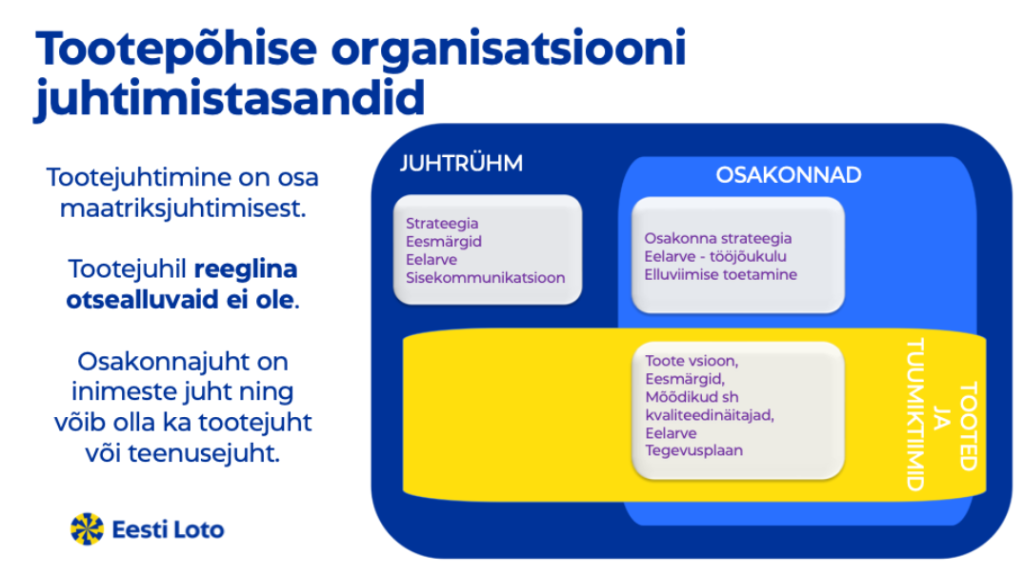
Thanks to this decision, we were finally also able to define our essential nature clearly: Eesti Loto is above all a product development company (step 3). This means that we align all units to support the functioning and development of our three main business lines – the product portfolios.
Put simply, the organisation’s structure changed like this:
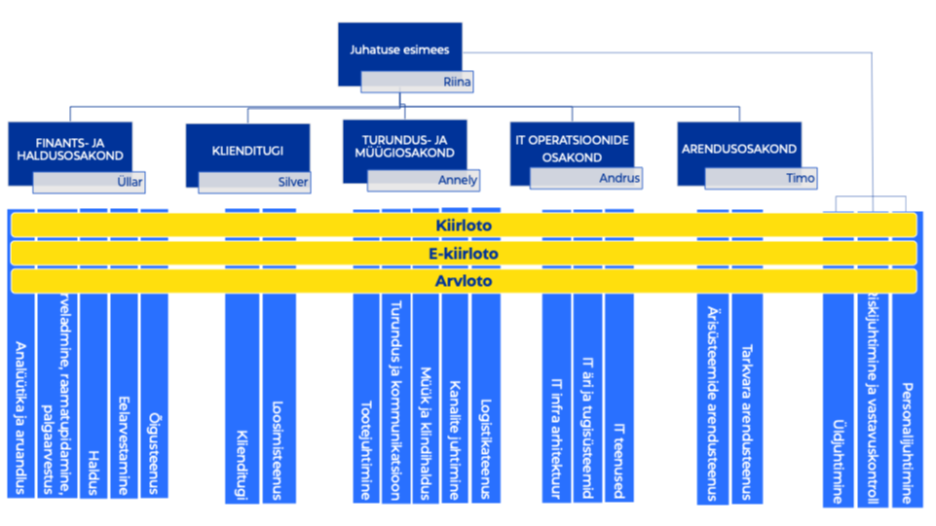
The next critical question was how to get the people leading products and channels to actually grasp the whole and take responsibility for its development (step 4).
Fortunately, the time soon came to review the overall strategy for the next period. This gave a good opportunity to take product-based management straight from theory into practice: we involved the core teams leading products and channels in creating the overall strategy (step 5). Preparing the strategy forced them to go deep into each product and channel, and people in their new roles got to think from scratch about what we offer and to whom, and what our future ambitions could be. We set the goals and action plans of services and other units based on the business goals of the products and channels.
What was difficult?
- The clash of different understandings in defining a product. But we also learned that resistance is normal. The parties must be allowed to express it, so that everyone can say what they think and have their ideas heard, and they must be given time to digest the change.
- Clarifying the roles and tasks between product and service managers. A big part of this lies in organising communication and agreements, which have to be discussed again and again during the changes.
What helped?
- The change was led by top management. Without the contribution of the top manager and key heads of areas, it is not possible to achieve results. We set up a working group that regularly monitored the process of implementing the changes and organised supporting activities, mainly workshops, trainings and 1:1 counselling.
- The whole process was supported by a Sunergos consultant, who helped keep the focus and brought the necessary competence into the house.
What has changed?
- It has become very clearly established that we have three main product portfolios – this is no longer debated.
- Each product portfolio has its own owner, who ensures the product works day to day, leads the product team, manages crises and challenges and steers future developments.
- Information and responsibility are no longer concentrated in the hands of a small group, i.e. the management.
- We get more done, and faster.
- A healthy sporting spirit and a competitive edge have emerged between the products, where they learn from each other and try to do better than the other.
Without the contribution of the top manager and key heads of areas, it is not possible to achieve results.
Riina Roosipuu
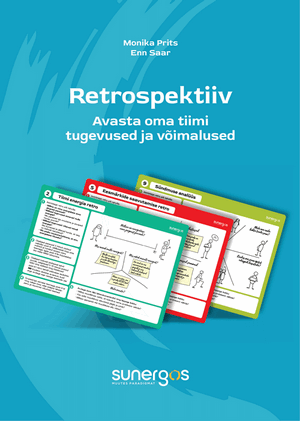
A retro is a tool that makes it possible to analyse quickly and in a structured way what to continue and what to change in how the team works. Get your own set of retro cards here, or contact our development partner Monika Prits, creator of the cards, who also runs trainings on how to make the best use of these cards in your work.
Retrospective Toolbox
- 10 guides for running team retros
- Price €69 (incl. VAT)